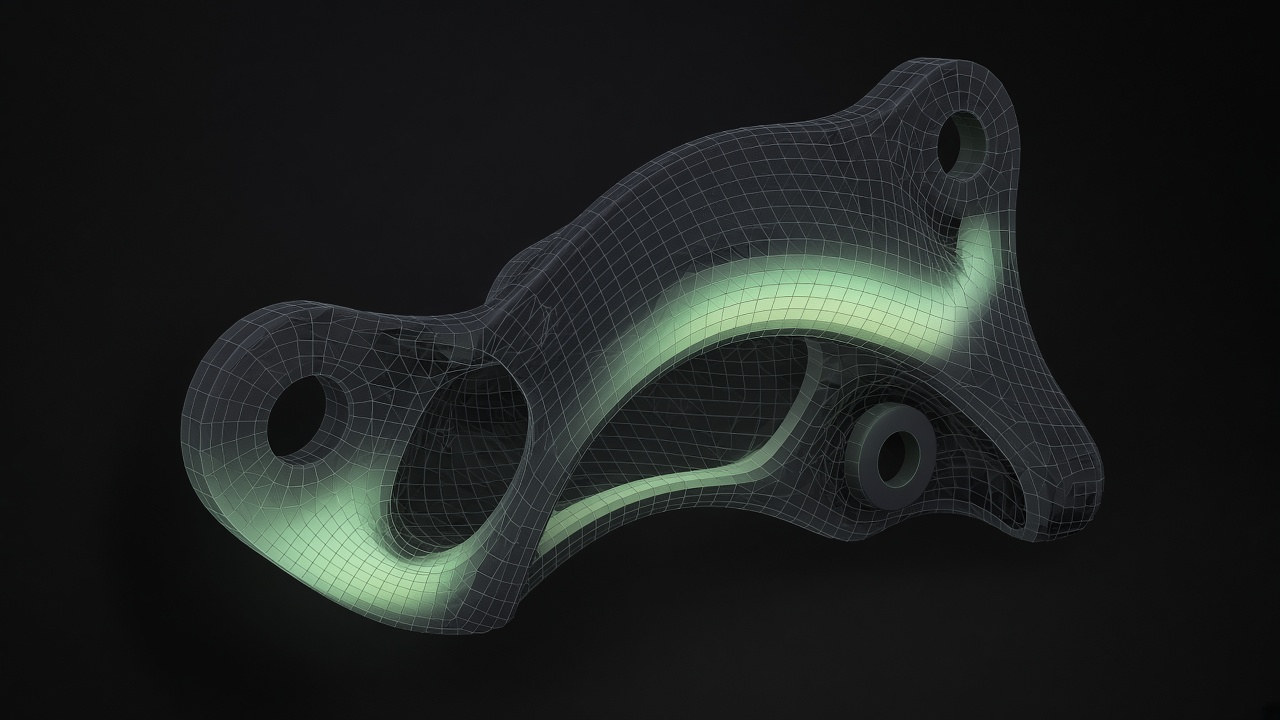


Simulation software advisory

Survival mode: build your foundation now.

Shadow Kiwi advises the simulation software industry on how third-party AI reaches its users. The work positions the solver as the layer those models run through.

Context

Licence use depends on niche expertise.

Engineering simulation software is complex and specialised, and proficiency takes years to build. When a trained user leaves a client organisation, the licence often sits unused and is not renewed.

Frontier AI models are the most capable available, and they are developed faster than any software vendor can match. They can rebuild interfaces, scripts and workflows around a product, or replace them entirely. Vendors face a choice: compete with these models, or make the product easy for them to integrate with, retaining users and building revenue around the solver.

Few vendors have a clear picture of what current models can already do with their software. We demonstrate it within the vendor’s own product, and identify where it is exposed.

With the product properly integrated, engineers with the technical background, but without experience in a specific package, would be able to operate it through third-party AI models and produce results immediately. More people would use the software, licence use would rise, and renewals would follow. Client teams would spend more time developing their own products and less time mastering the software.

The solver core

The solver holds decades of validated physics, numerics and test correlation. Interfaces can be rebuilt around it. The solver itself is difficult to reproduce.

AI is lowering the cost of interfaces, scripts, GUIs, and pre- and post-processing. Our work separates those layers from the core, and focuses protection on the solver.

Abstract image of a glowing geometric core held inside a faceted glass shell.

Services

Three areas of work.

Each engagement covers how exposed the product is, how the solver is protected, and how AI tools work through the product.

01

AI tool exposure audit

The audit begins with a demonstration of what current frontier models can already do with the vendor’s own software. It then reviews each tool and module, including pre- and post-processing, training, support and automation licences. Each line is classified, and the open-source position is assessed: where to couple, where to lock, and where to reduce investment.

  • Secure: tied to the solver and difficult to replace.
  • Defensible: can be protected through APIs, licensing or a controlled agent interface.
  • Exposed: likely to be displaced by open-source or AI alternatives.
  • Capital: investment that is unlikely to return.
02

Protection of the core

Defining the APIs through which third-party models drive the product, while the solver and file formats remain protected.

  • Automation access treated as part of AI strategy.
  • A decision on what is opened and what stays behind the core.
  • The solver positioned as the layer agents run through.

03

Agent onboarding layer

A layer that AI models can read, so that agents guide users through the software as intended. The solver stays protected behind it.

  • Connectors that let AI models call the correct functions.
  • Documentation structured for AI models.
  • Agent skills and workflow guides for new users.

Open source

Coupling to open tools, or differentiating from them.

Open-source and free platforms are growing in CFD, multibody and robotics physics, and other areas that were once served by closed, paid tools. Each product line faces a choice. It can couple to the open tools and act as a trusted layer on top, or it can lock up and differentiate on what those tools do not offer.

The choice also affects capital. Investment in a platform that open source or AI is displacing is unlikely to return. The assessment identifies these cases early.

Each product line is reviewed against comparable open-source tools, and assessed for continued investment, coupling to the open stack, or protection.

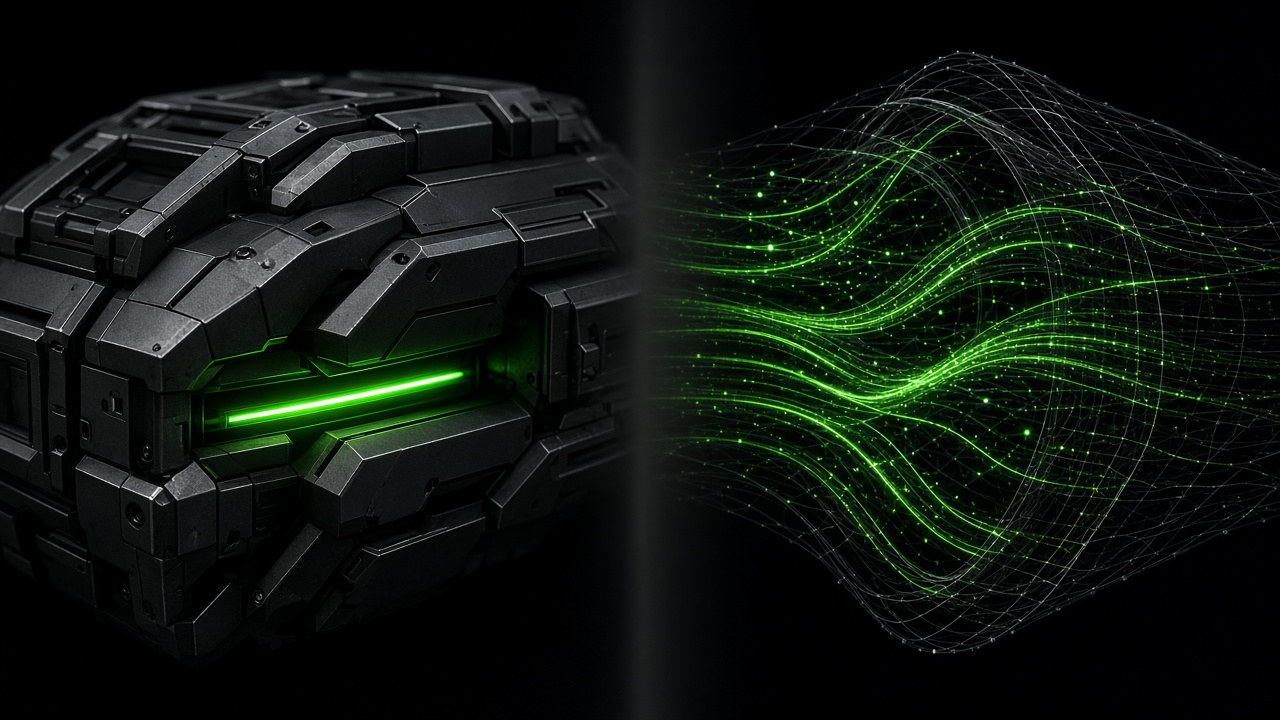
Abstract image pairing a locked metallic enclosure with an open luminous lattice.
Lock what is scarce. Couple what should be open.

Expertise

The expertise behind the work.

AI integration remains largely uncharted territory.

Our work draws on experience as users of these tools. That includes locked file formats, separately licensed automation, and software not designed for third-party models. We use AI agents with these tools in our own work.

The practice focuses on engineering simulation. The same approach applies to other technical software, and to any software whose value sits in a core that is difficult to copy.

Structural and flow simulation

Finite element and computational fluid dynamics analysis.

Engine and system simulation

Engine, thermal and system-level modelling.

Test data processing

Correlation of physical test and simulation.

Automotive

Vehicle development from concept through validation.

AI agents and automation

AI agents and automation in engineering workflows.

Licensing and automation strategy

Licensing and access models for simulation software.

Engagement model

An initial assessment, followed by implementation.

Engagements begin with a focused review for the executive team. It identifies where AI and open source affect the product line and development budgets.

01

Tool exposure audit

A demonstration of what frontier models can do with the vendor’s software, followed by an assessment of the software, APIs, licensing and open-source position. It results in a written roadmap and a leadership briefing.

02

Foundation

Implementation of the roadmap: what to protect, what to stop funding, and the agent onboarding layer.

03

Ongoing advisory

A retainer arrangement where appropriate, as models and the open-source stack continue to change.

Contact

Enquiries.

Engagements typically begin with the tool exposure audit.